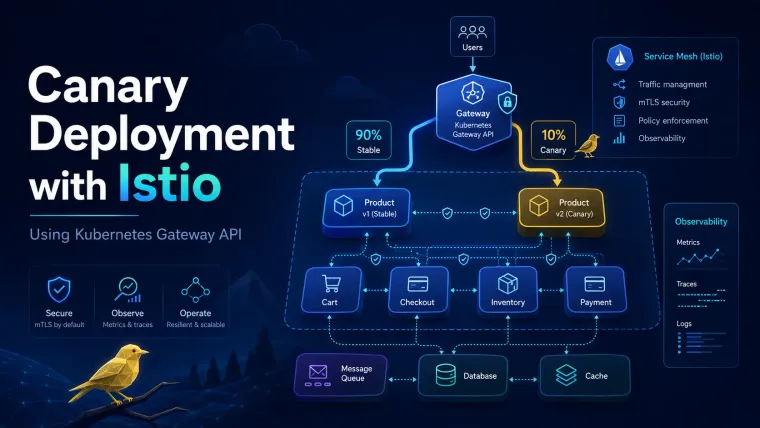
Istio service mesh is great for many things ie. Security, Multicluster and hybrid deployment, Circuit breaking, rate limiting, retries, service-to-service authentication/authorization, cluster-wide mTLS, and many more. But this demo will focus on the Canary deployment with Kubernetes Gateway API and Istio.
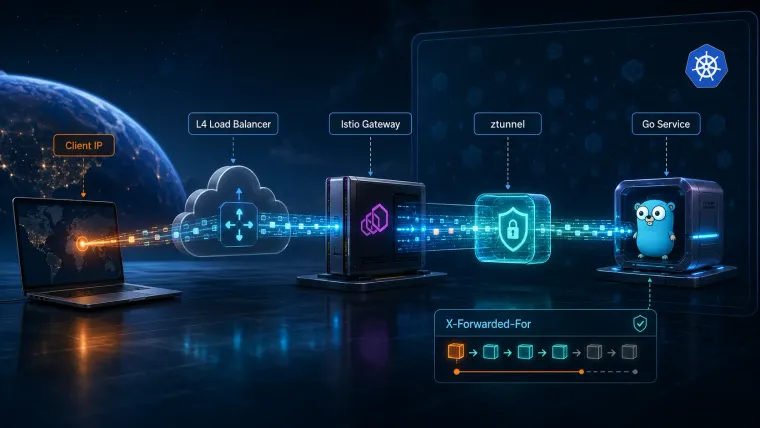
Istio ambient mesh is great for many things ie. sidecar-free mTLS, L4 authorization with ztunnel, a clean Gateway API entry point, and a much smaller per-pod footprint than the old sidecar model. But the moment you put a service behind an ambient ingress gateway, one thing quietly breaks: access logs stop showing who is actually calling the service. And the way it breaks is nastier than the usual “read X-Forwarded-For” story, because it breaks intermittently.
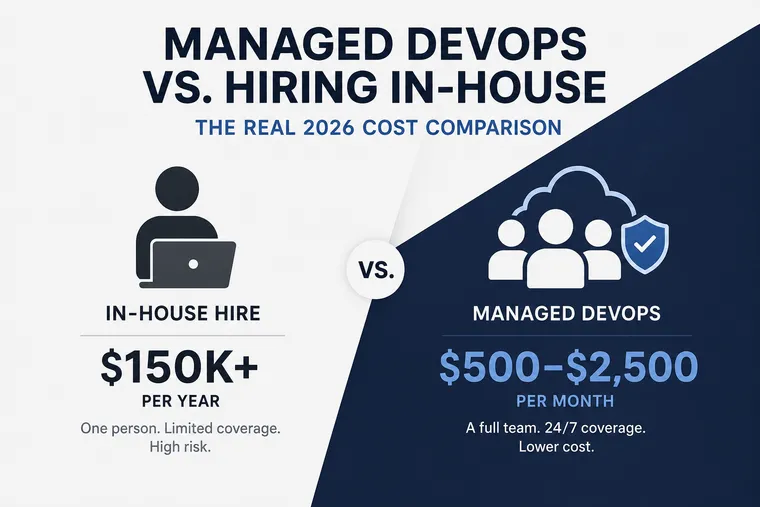
Short answer: Hiring one in-house DevOps engineer costs roughly $150,000–$200,000/year fully loaded — and a single person cannot provide 24/7 coverage, take vacation, or cover every domain (Kubernetes, networking, security, cost, databases). Managed DevOps typically runs $500–$2,500/month for equivalent or broader coverage, with no recruiting cycle and no key-person risk. The right choice depends on how much ongoing, original infrastructure engineering you actually have — not on day-to-day operations.
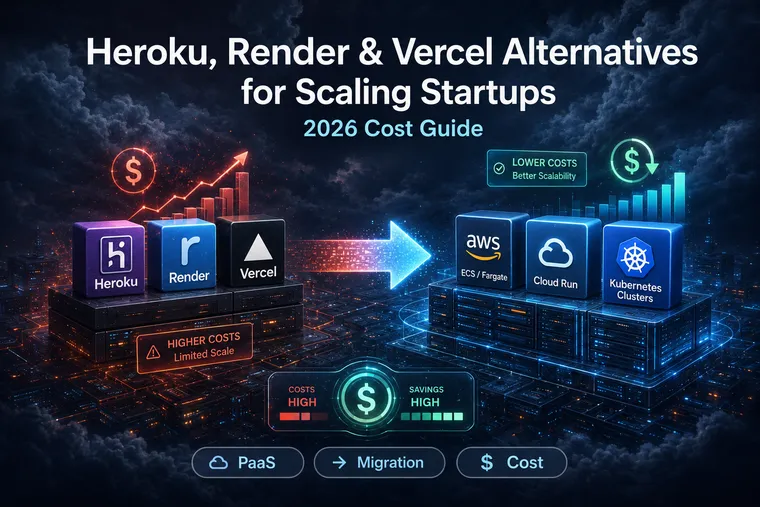
Managed PaaS (Heroku, Render, Vercel) is the cheapest option when your bill is small and your team is tiny. It becomes the most expensive option once you cross roughly $2,000/month in platform spend, because you're paying a 3–10x markup on raw compute for convenience you eventually outgrow. The best alternatives in 2026 are AWS ECS/Fargate or Cloud Run (the moderate step) and managed Kubernetes — EKS, GKE, AKS (the full step), ideally run for you so you don't trade a platform bill for a hiring problem.
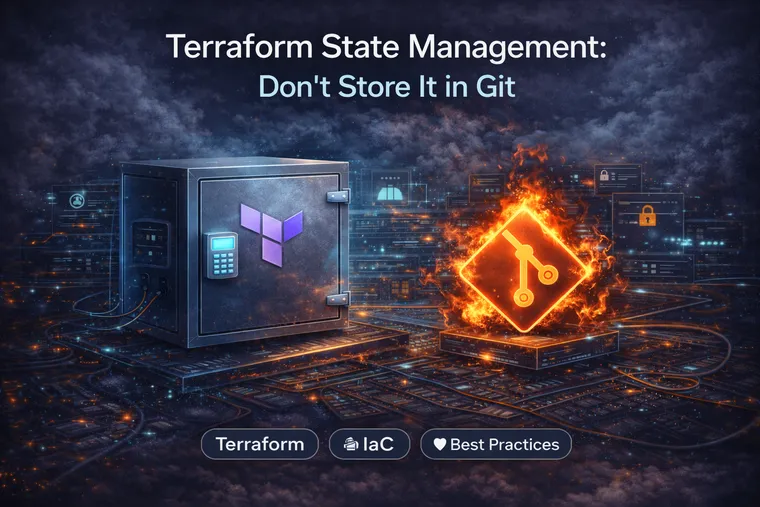
Maximize Cloudflare’s Free tier for WordPress using OpenTofu/Terraform. Learn how to provision 77+ resources, including WAF rules, Cache Rules, and security headers, via Infrastructure as Code - without spending a dime.
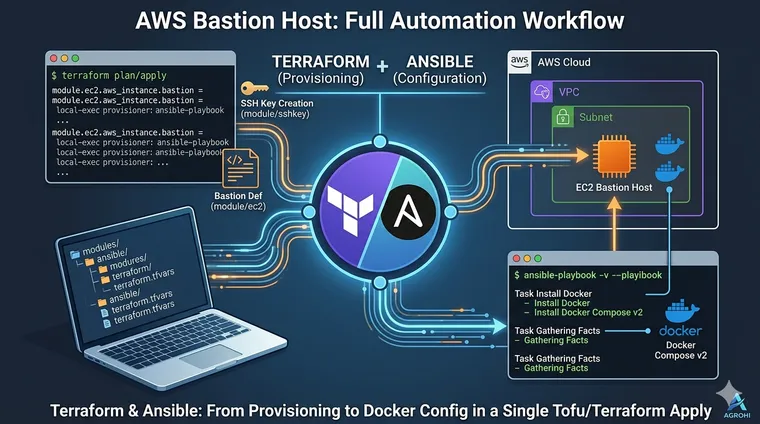
Combine Terraform and Ansible to fully automate AWS Bastion Host deployment. This project provisions EC2 infrastructure and configures it with Docker/Compose v2 in one single, repeatable IaC workflow.
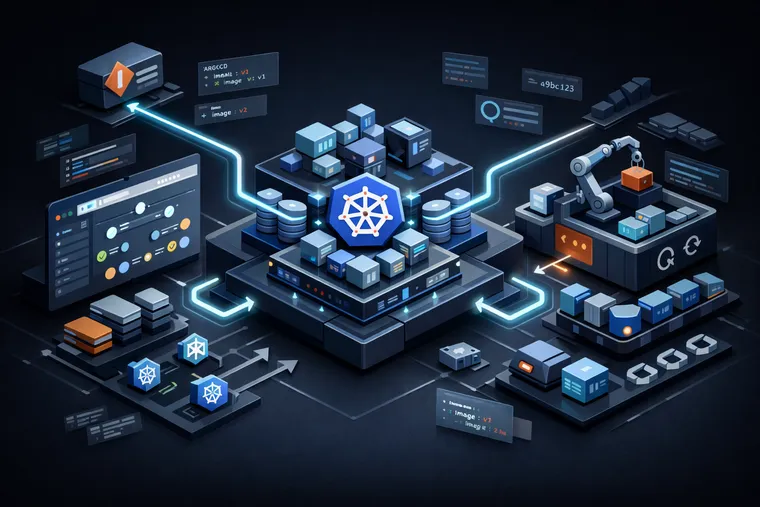
From the three-repository pattern to progressive delivery with Argo Rollouts. Real-world GitOps architecture that eliminates drift and provides audit trails.